Tell us what is happening
Share your location, the symptom or the work you need. Photos of visible conditions and equipment details help prepare the visit.
Puerto Rico|||DV|||[email protected]|||DV|||(787) 628-8908|||DV|||guzplumbing.com|||DV|||https://www.facebook.com/guzplumbinllc|||DV|||https://www.instagram.com/guzplumbingllc
Guz Plumbing
Find the service your space needs. Browse by category, understand what each assessment covers and arrange the next step with Guz.

82 services
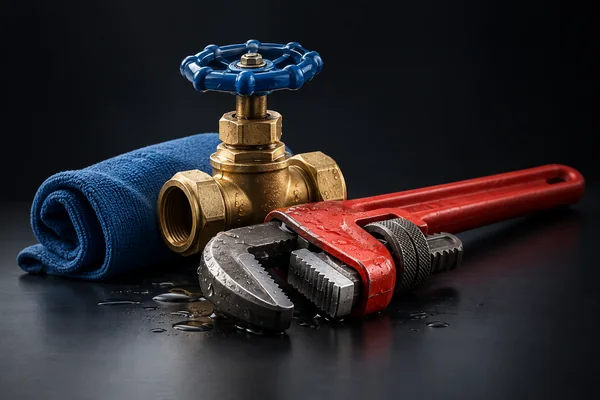
An active leak or overflowing drain starts with understanding what is happening and where. Call to check availability and arrange an assessment.
View service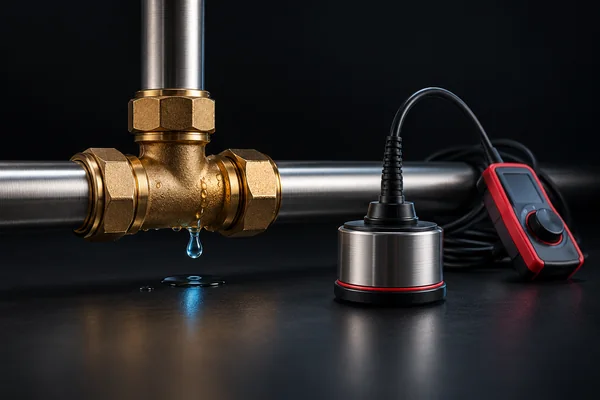
Finding the leak source helps determine where to intervene. The assessment connects moisture clues with water line behavior.
View service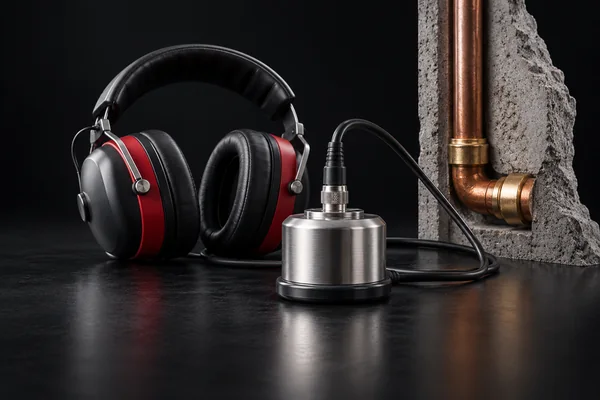
When moisture appears on a wall or slab, the visible mark may be far from the source. Inspection aims to narrow the area before proposing an opening.
View service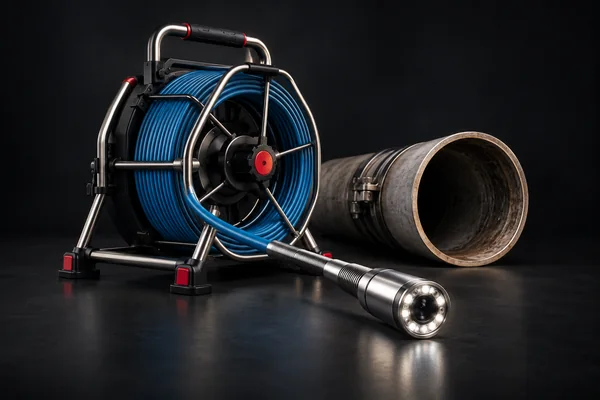
A camera can show the inside of accessible piping to investigate blockages, joints and deterioration. Inspection helps decide whether cleaning, repair or further evaluation is appropriate.
View service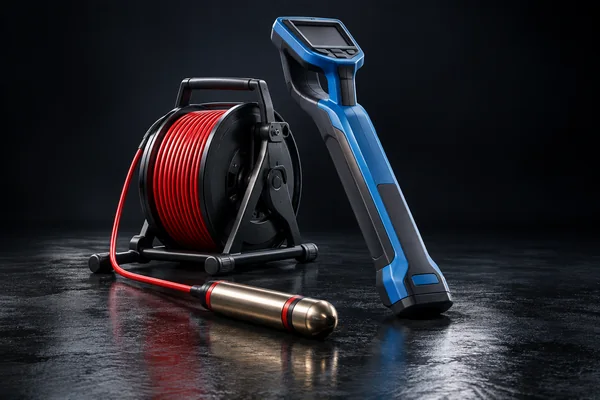
Locating buried piping helps plan a repair or construction work with less uncertainty. Pipe type and access are assessed before selecting a method.
View service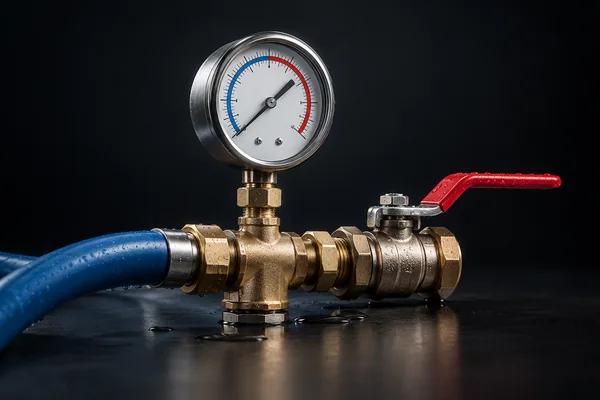
Pressure tests help assess whether a water line holds the agreed test conditions. Their usefulness depends on proper isolation and recording the system behavior.
View service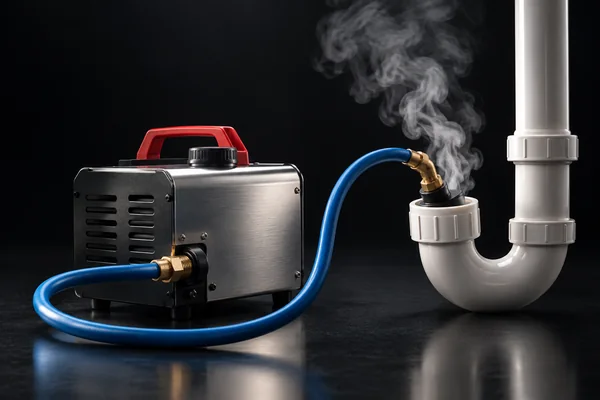
Smoke testing can help investigate escape paths in a sanitary system. Building preparation and observation points are coordinated to interpret the result.
View service
Before buying or taking delivery of a property, a plumbing review helps identify visible conditions and unresolved questions. Scope depends on accessible areas and systems.
View service
For a plumbing-related filing, the first step is reviewing the requested document and the work needed to support it. This separates inspection, corrections and applicable documentation.
View service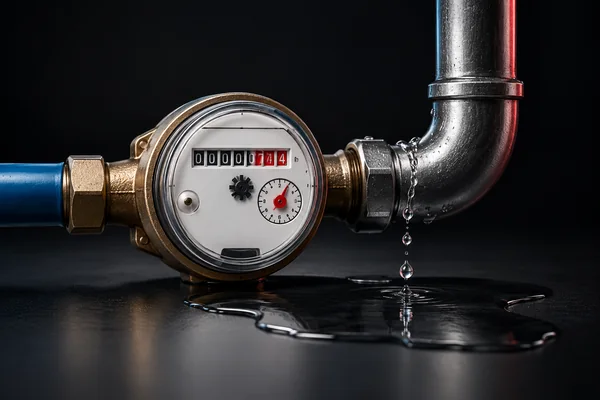
A higher bill may justify reviewing usage and checking for water loss. Assessment separates possible leaks from usage changes and other circumstances that need clarification.
View service
A slow or blocked drain needs an assessment of the affected point and connected piping. The cleaning method depends on access, pipe condition and the obstruction.
View service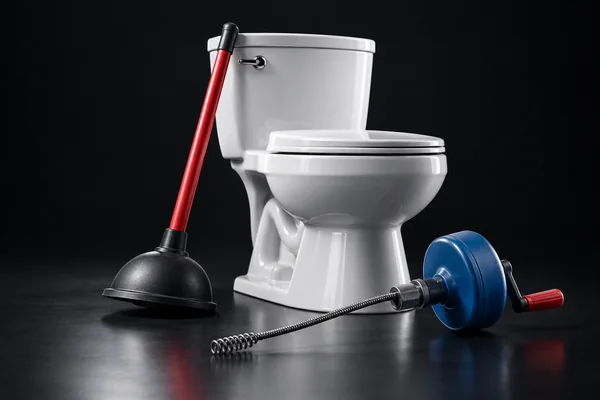
If a toilet will not flush or the water rises, distinguishing a fixture blockage from a sewer line problem guides the intervention.
View service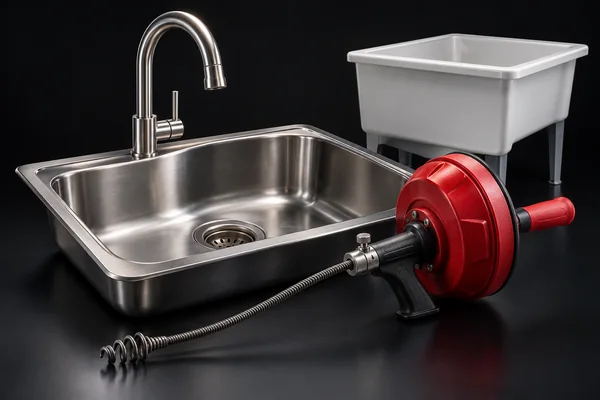
Sink buildup can be confined to the trap or extend into the drain line. Assessment identifies suitable access and how to restore flow without assuming the blockage is at one connection.
View service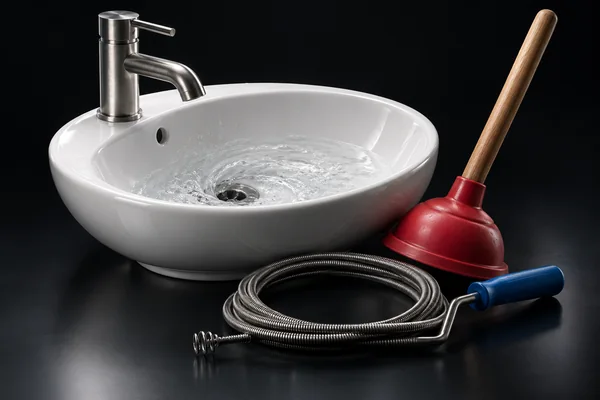
When a bathroom sink drains slowly, the blockage may be at the stopper, trap or drain line. Assessment identifies the component restricting flow.
View service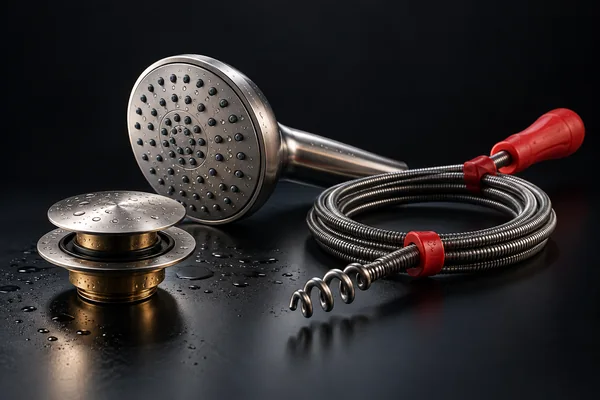
Standing water in a shower or bathtub may come from a nearby clog or shared drainage problem. Recurrence and the behavior of other drains help guide assessment.
View service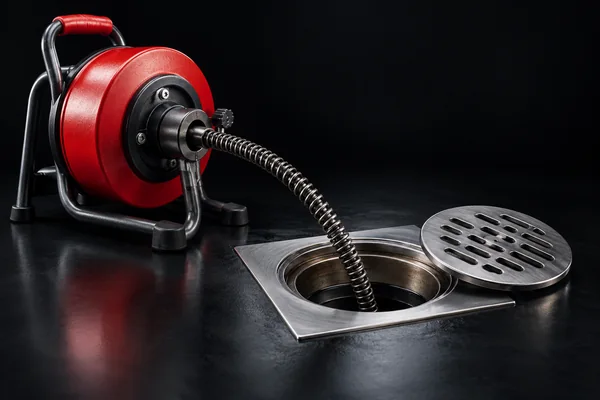
A blocked floor drain may affect laundry areas, interior patios or commercial spaces. Its discharge system and obstructing materials need to be identified.
View service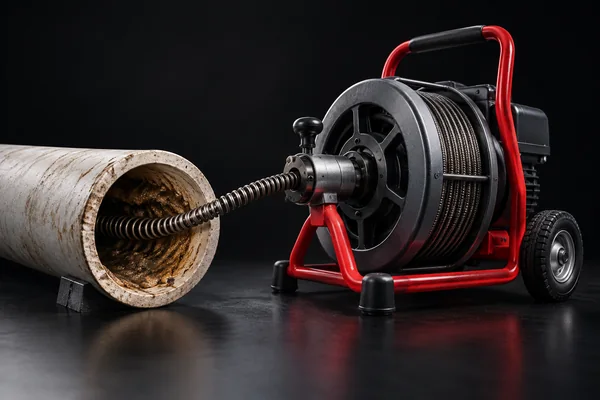
When several fixtures back up or drain poorly, the main sewer line may need assessment. Work is planned around available cleanouts and pipe condition.
View service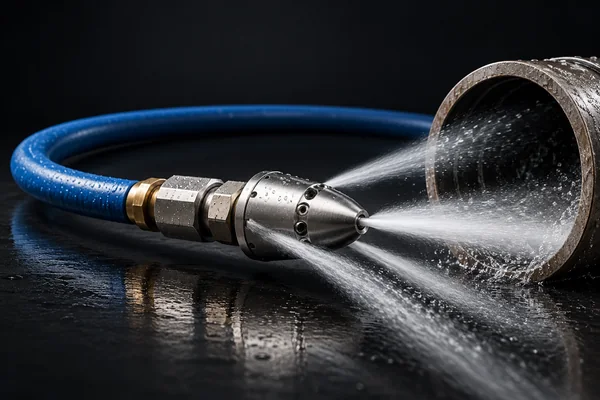
Hydro jetting may address deposits and buildup where pipe condition and access allow it. Equipment selection depends on material, diameter and the condition of the run.
View service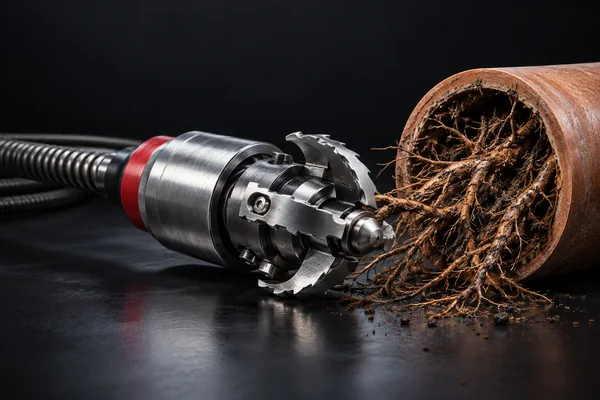
Roots inside a drain can restrict flow and cause recurring clogs. Beyond removing them, the entry point and pipe condition matter.
View service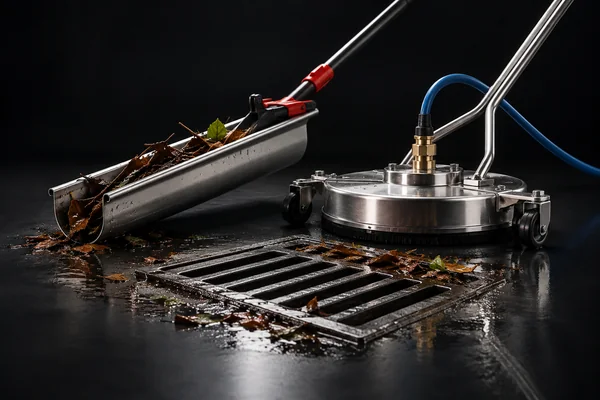
When rainwater cannot drain, inlets, downpipes and outlets are reviewed. The aim is to distinguish blockage from design or slope limitations.
View service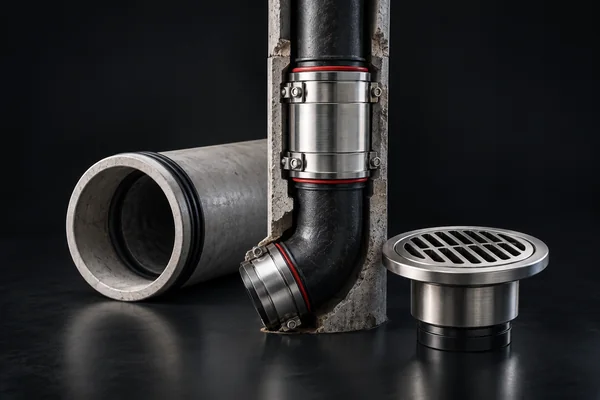
A damaged stack can affect several building levels. Assessment defines the section, connections and coordination needed for access and repair.
View service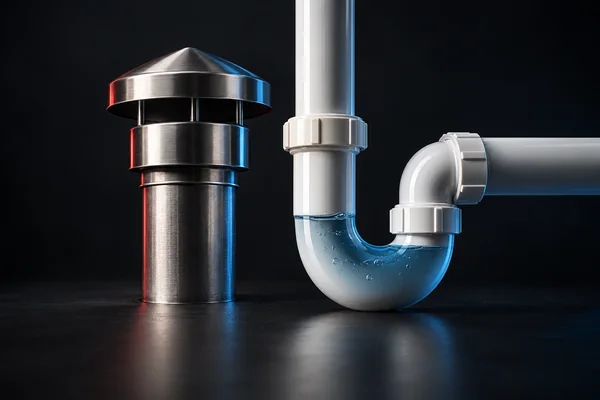
Odors or gurgling may relate to traps, venting or drainage conditions. Reviewing the system helps avoid replacing parts without identifying the cause.
View service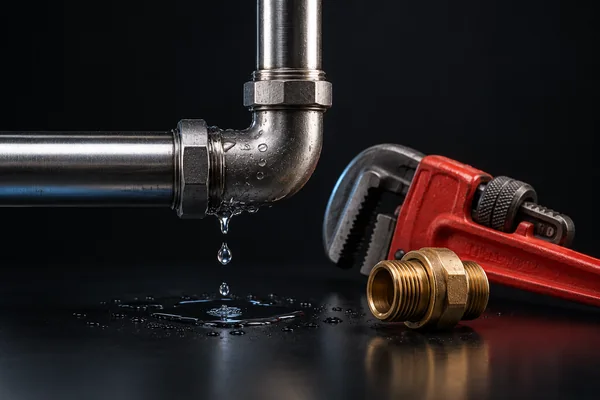
Leak repair aims to correct the pipe section or connection losing water. Access, material and whether deterioration is localized or widespread are assessed first.
View service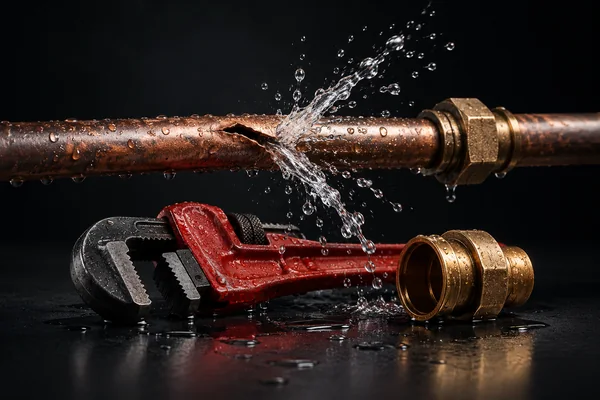
A burst pipe requires access coordination and an assessment of how to isolate the affected area. Repair depends on visible damage and nearby connections.
View service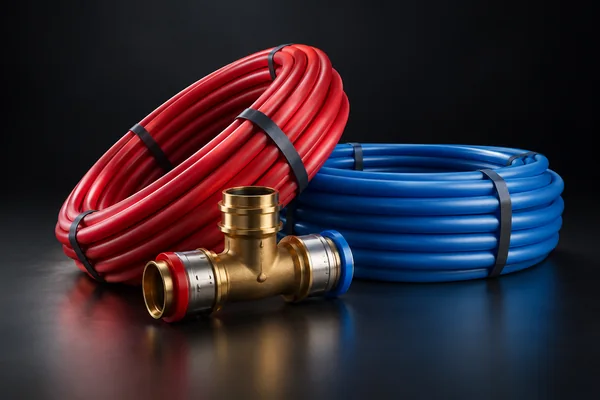
When problems recur across multiple lines, a broader replacement may be worth assessing. The project organizes routes, materials and phases for the agreed system renewal.
View service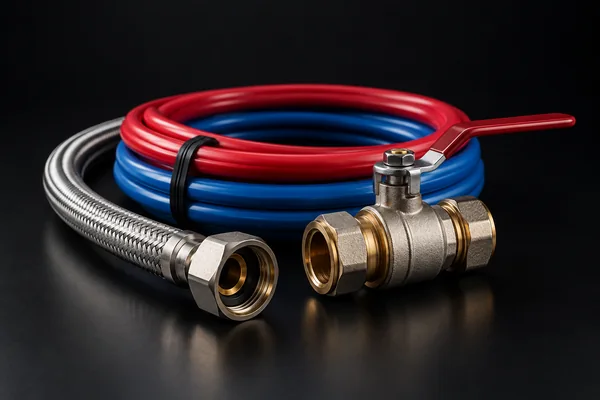
A new water line should suit the fixtures it will supply and the available route. Materials, connections and access are reviewed to define the installation.
View service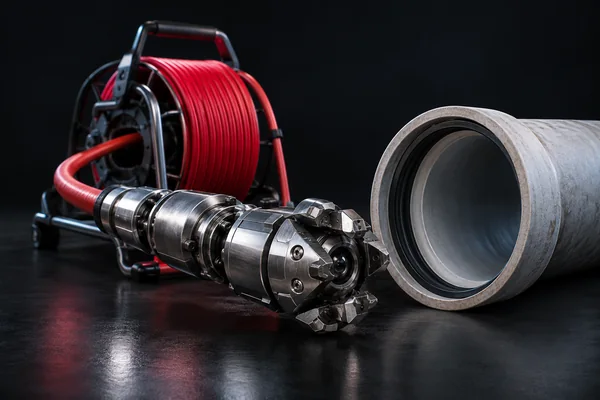
Sewer piping needs suitable routing and connections to carry discharge. Assessment distinguishes repair of an existing section from a new line installation.
View service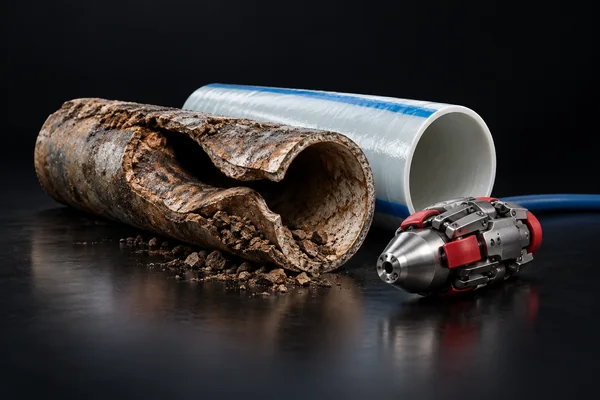
A collapsed pipe requires assessment of the affected run and access. Unlike a blockage, structural damage may need replacement or a specialized solution.
View service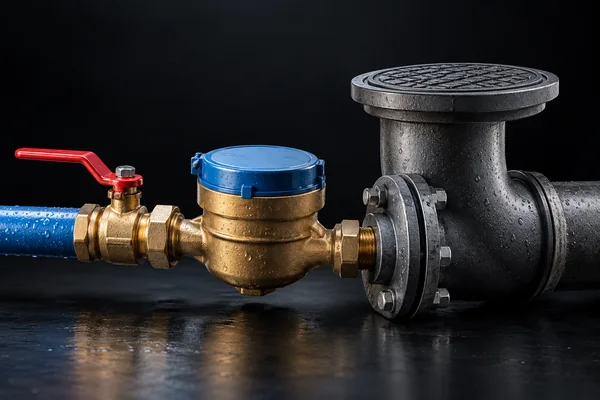
Water and sewer service connections require defining private work and coordination with the relevant entity. The project starts by identifying connection points and requirements.
View service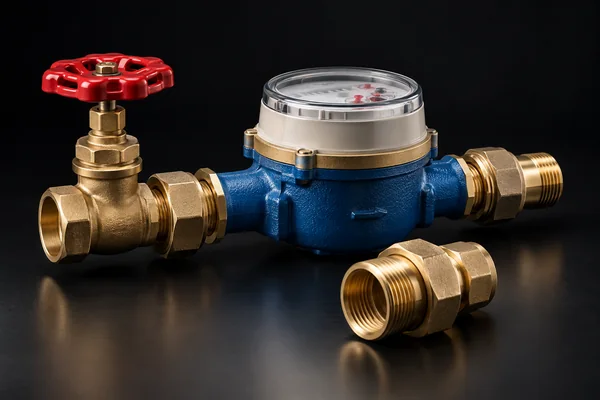
Preparing meter connections involves reviewing how lines will be separated and the requested configuration. Assessment helps organize the plumbing portion of the project.
View service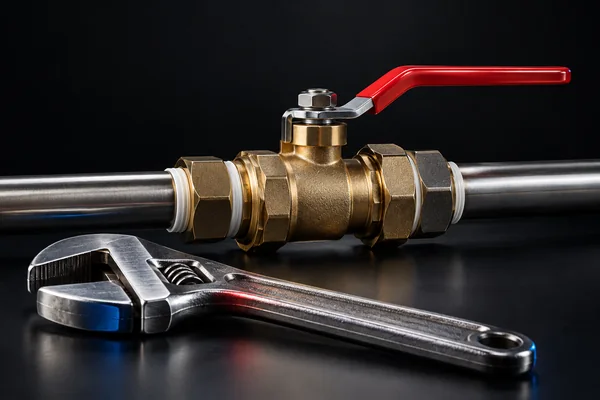
A shutoff valve should isolate the line it controls. If it leaks, fails to close or is deteriorated, its connection and repair or replacement options are assessed.
View service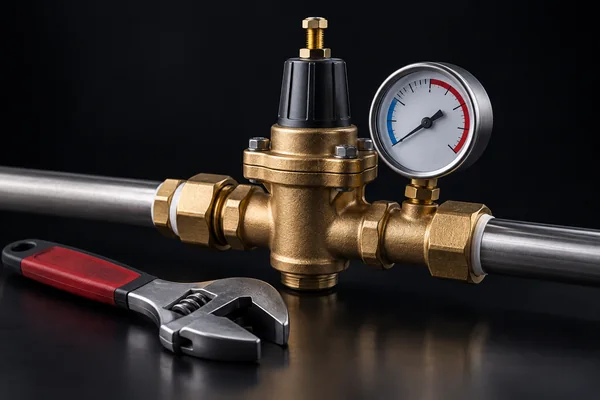
A regulator is assessed through measurements and understanding the system it supplies. Installation or adjustment requires reviewing compatibility, access and pressure behavior.
View service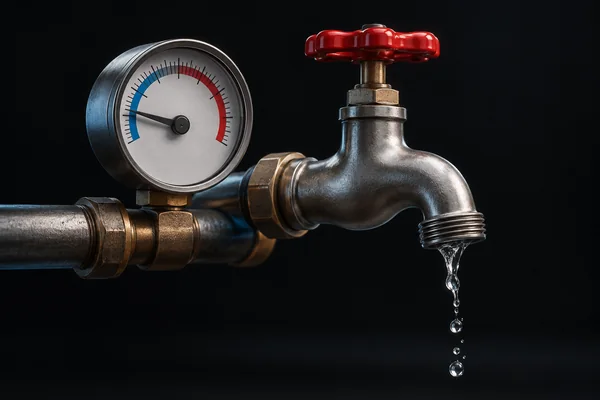
Low pressure may affect one fixture or the entire property. Comparing those points helps identify whether the issue is a connection, restriction or supply system.
View service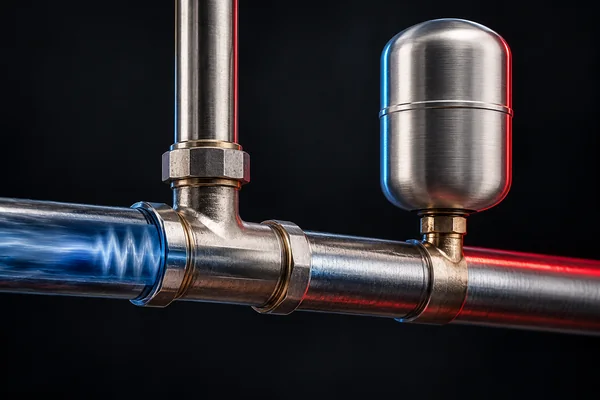
Banging or vibration when a fixture closes needs to be related to system operation. Assessment reviews pressure, supports and components that may contribute to the noise.
View service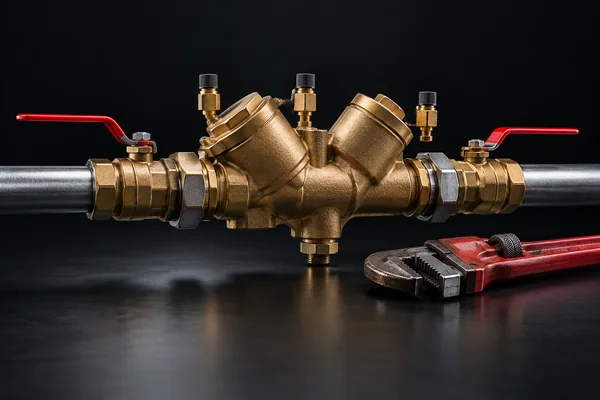
Backflow prevention requires identifying the application and suitable device. The existing installation and requested repair or replacement are reviewed.
View service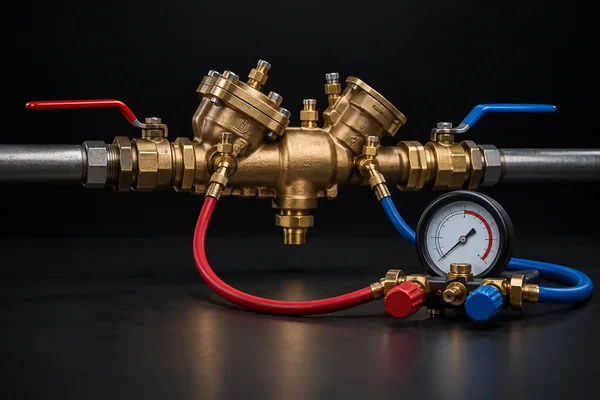
Backflow device testing is an assessment defined for that device. Its identification, required procedure and the recipient of results are confirmed first.
View service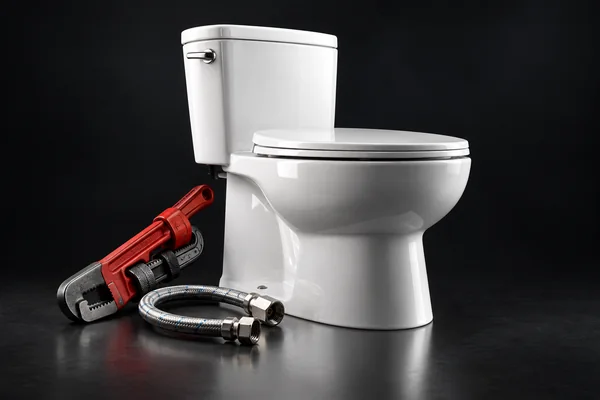
A toilet that leaks, moves or does not refill properly may need repair or replacement. Assessment distinguishes internal components from base and connection issues.
View service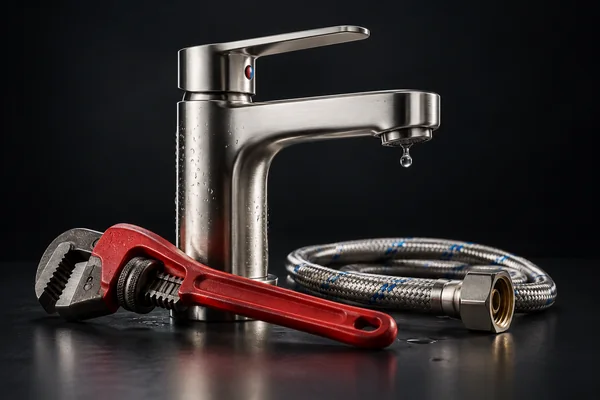
Dripping or difficulty controlling a faucet may originate in its components or connections. Model and condition are checked before defining repair or replacement.
View service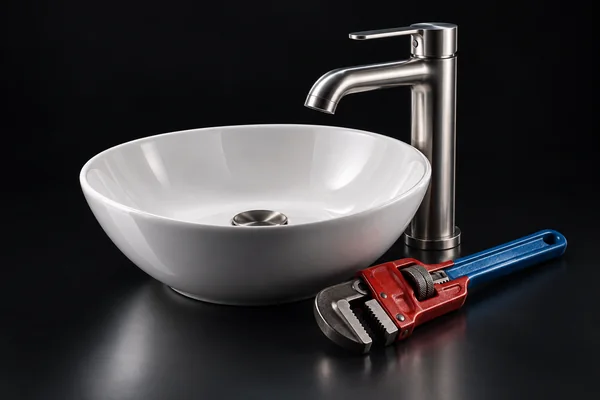
Installing or repairing a sink requires reviewing the fixture, connections and available space. Plumbing is coordinated with the cabinet or mounting surface.
View service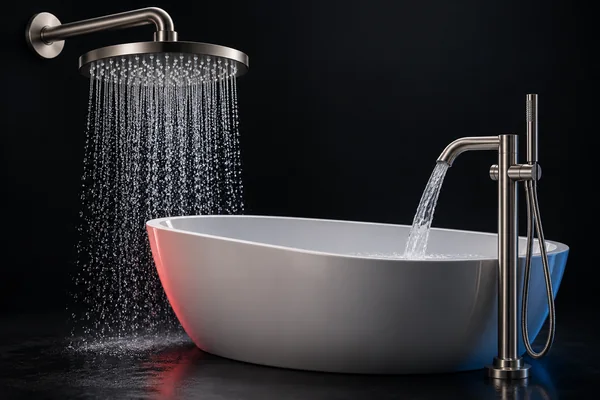
Shower or bathtub plumbing may involve valves, controls and drainage. The affected component and available access are identified before defining the work.
View service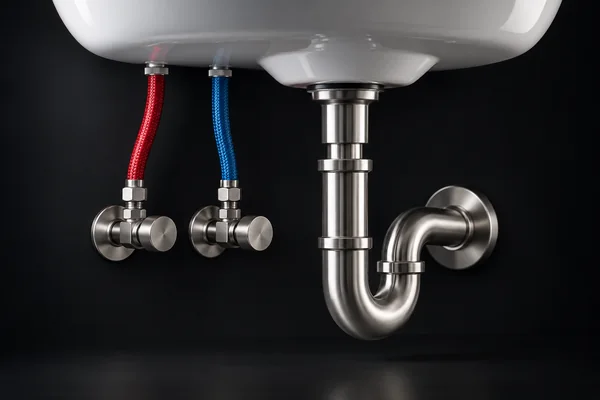
When changing a vanity, connections must suit the new cabinet and sink. Line and trap locations are reviewed to plan a neat, accessible installation.
View service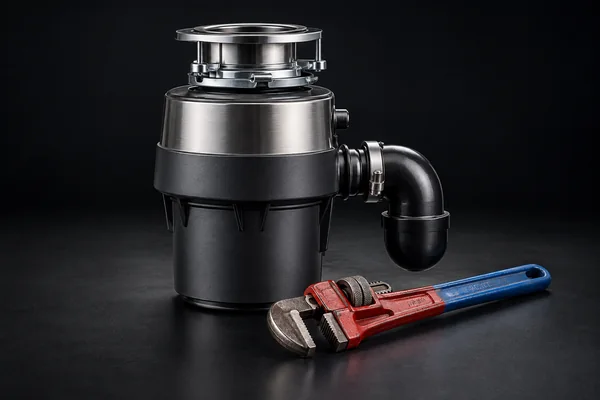
A leaking or nonworking disposal requires distinguishing equipment problems from connection issues. Replacement compatibility is reviewed before removal.
View service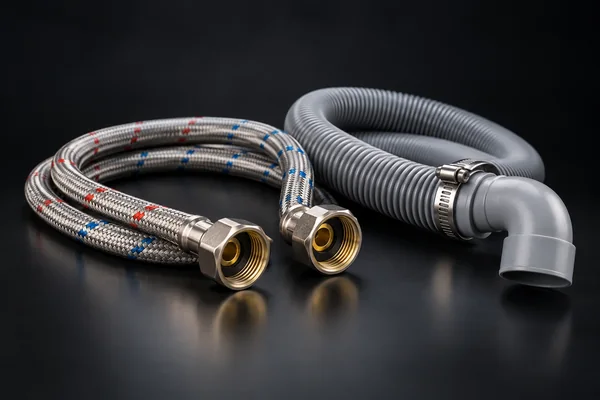
A dishwasher hookup must coordinate water supply, drainage and appliance placement. Manufacturer instructions and available connections are reviewed.
View service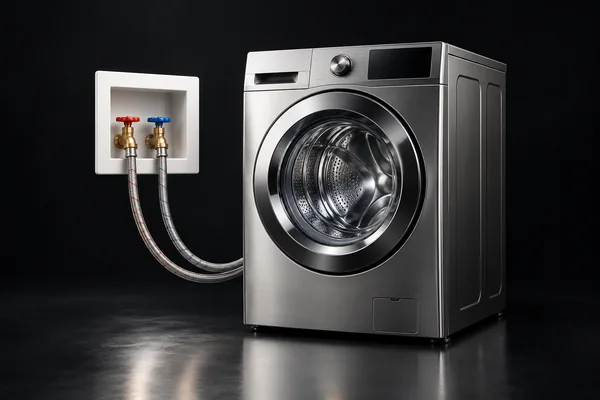
A laundry hookup organizes water inlets and drainage for the intended appliance. Valve condition and the existing drain arrangement are reviewed.
View service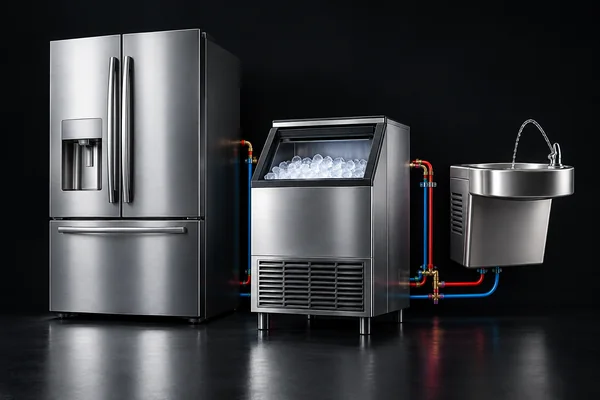
A refrigerator, ice maker or fountain line needs a compatible, accessible water point. Routing and maintenance shutoff arrangements are defined.
View service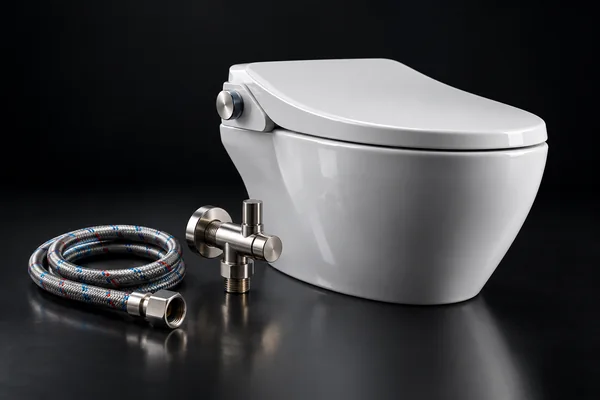
Installing or repairing a bidet requires reviewing fixture type and connections. Space, compatibility and water control are assessed before defining work.
View service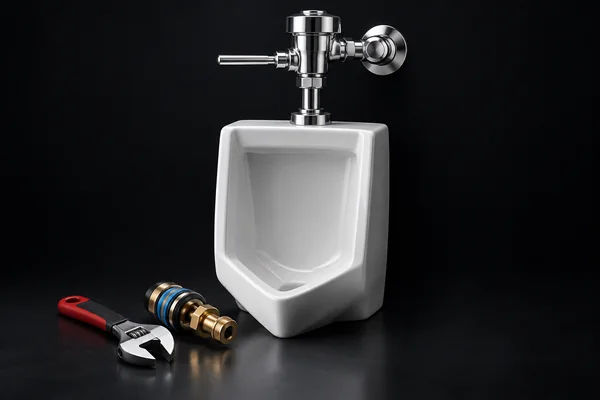
A urinal or flush valve that runs continuously needs a review of the mechanism and supply. Work must be coordinated with commercial restroom use.
View service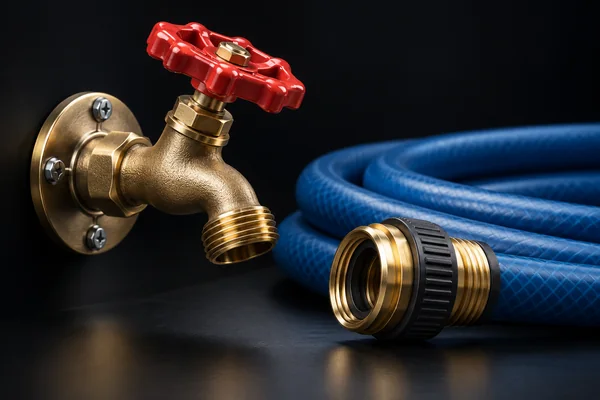
An outdoor faucet that drips or fails to close may involve both the fixture and its wall connection. The assembly and access are reviewed before work.
View service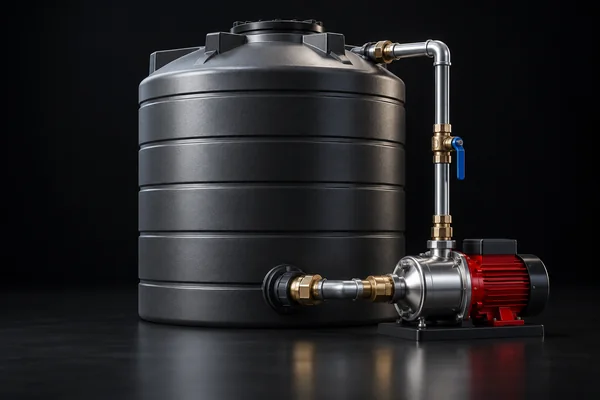
Cistern installation requires evaluating its location and connection to the water system. Inlet, outlet, controls and maintenance access are coordinated for the project.
View service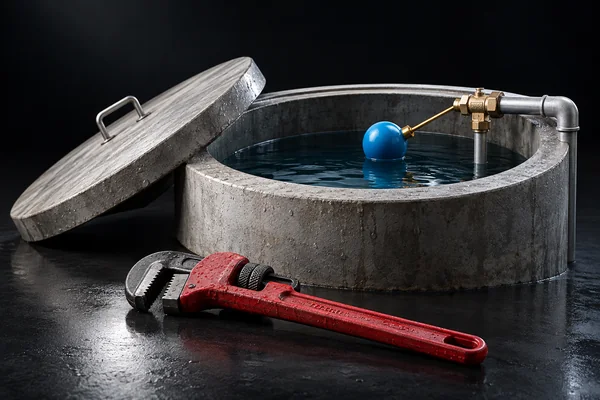
A cistern that leaks, fails to fill or operates irregularly needs its tank, connections and controls reviewed. Maintenance is adapted to the existing system.
View service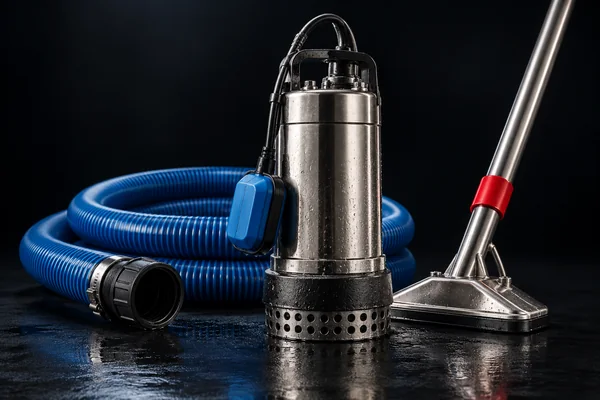
Cistern cleaning must be planned around access, service interruption and tank conditions. The procedure and system return to service are agreed.
View service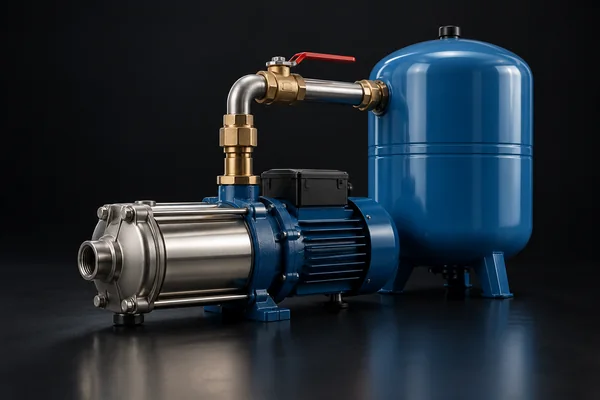
A pump or booster should suit the water source and installation needs. Assessment considers connections, controls and maintenance space.
View service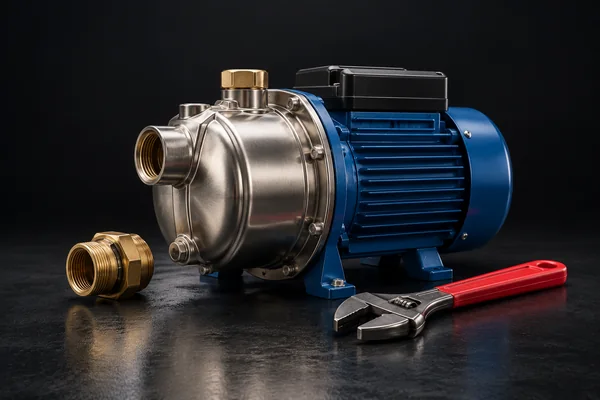
A pump that cycles, loses pressure or makes noise needs system-level diagnosis. The symptom may depend on connections, controls or the equipment itself.
View service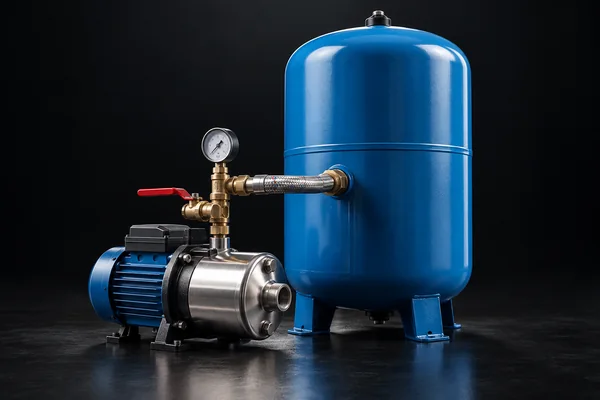
A pressure tank works with a pump and its controls. Condition and compatibility are reviewed to define installation, service or replacement.
View service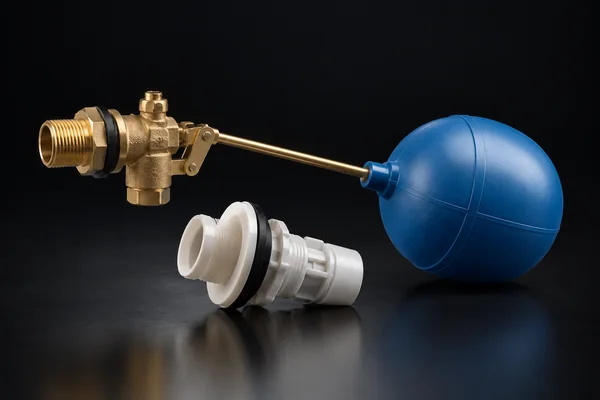
If a cistern will not stop filling or receives no water, float valves or level controls may be involved. Operation and compatibility are reviewed before replacement.
View service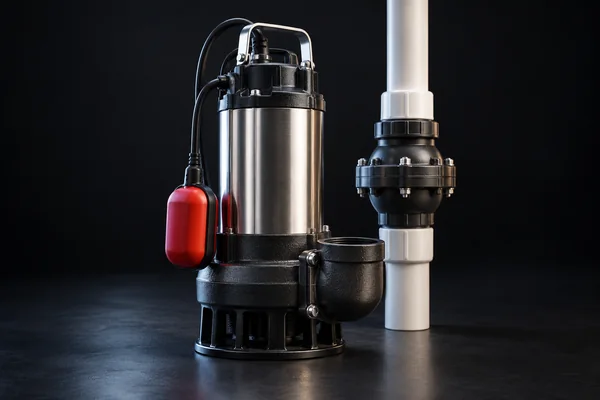
A sump pump must suit the water type, collection point and planned discharge. Access and controls are assessed for installation or repair.
View service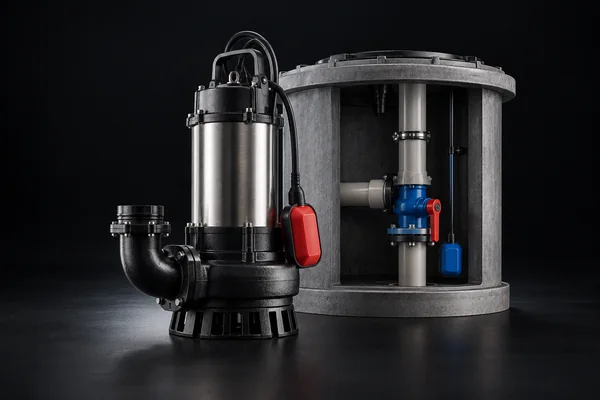
Pump station maintenance requires understanding equipment, controls and operating conditions. Coordination with the facility manager defines access and continuity.
View service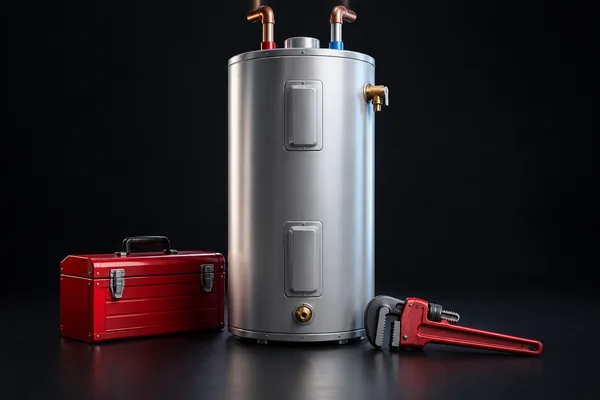
Water heater installation or replacement requires reviewing equipment type, connections and available space. Plumbing work and return-to-service coordination are defined.
View service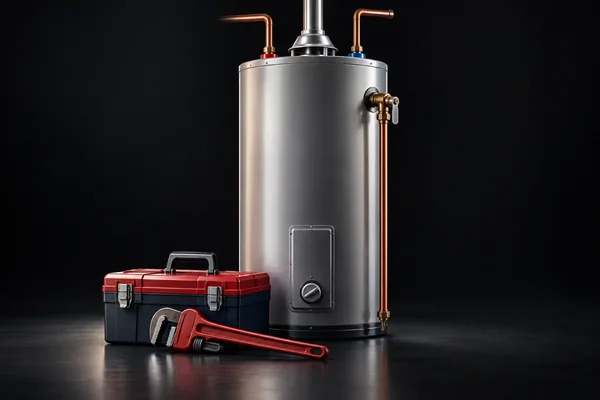
If a water heater fails to heat, leaks or operates irregularly, the equipment and supply are reviewed. Diagnosis helps choose between repair and replacement.
View service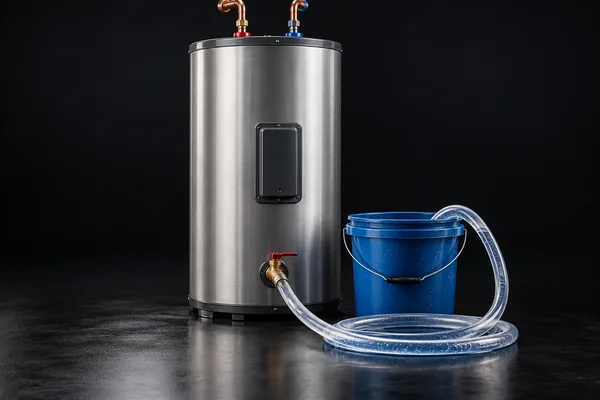
Water heater maintenance is adapted to its design, use and manufacturer instructions. Suitable cleaning and checks are reviewed for the installed equipment.
View service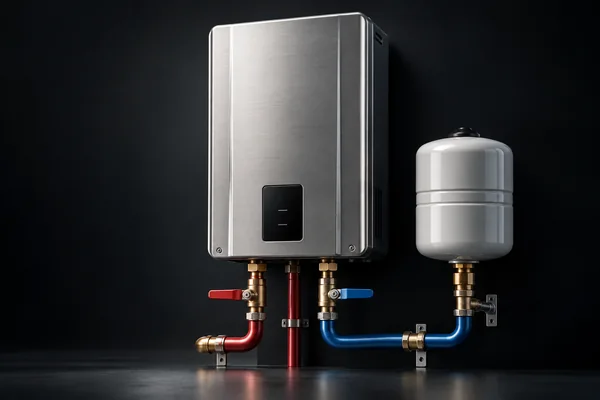
An electric tankless heater depends on water flow and suitable supply conditions. Assessment distinguishes water-side restrictions from equipment faults.
View service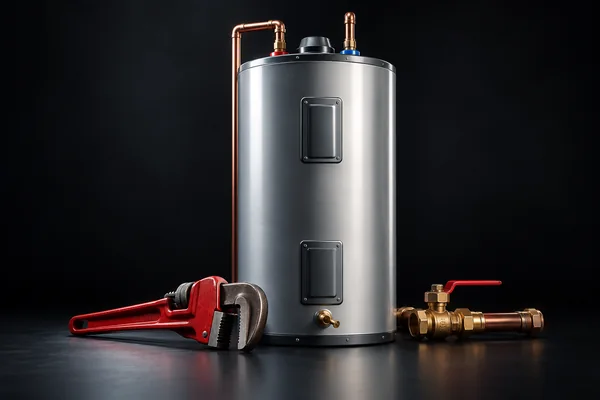
For a tank water heater, leaks and performance are reviewed alongside connections and tank condition. Diagnosis helps determine whether repair is appropriate.
View service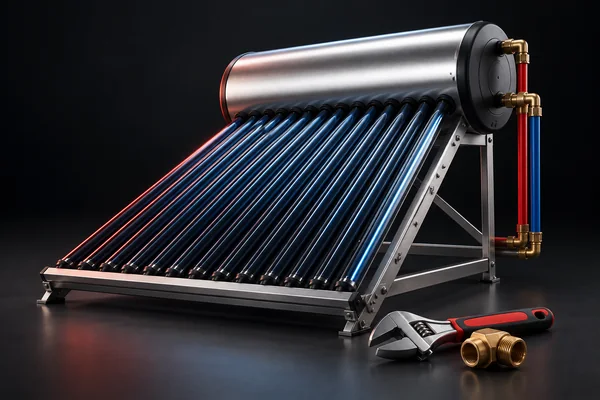
A solar hot water system combines a tank, collectors and connections. Assessment considers the component showing symptoms and safe installation access.
View service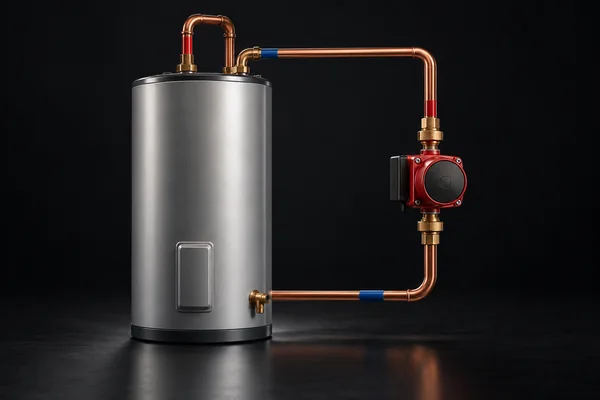
Hot water recirculation aims to reduce waiting at defined points through a compatible arrangement. Routing and the existing system are assessed before changes are proposed.
View service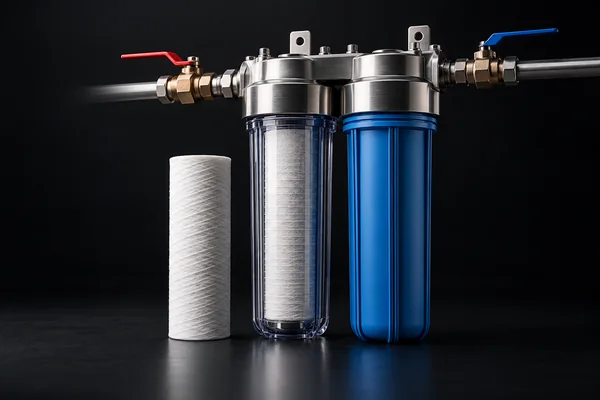
Filter installation starts by defining the treatment objective and connection point. Flow, space and maintenance access are reviewed.
View service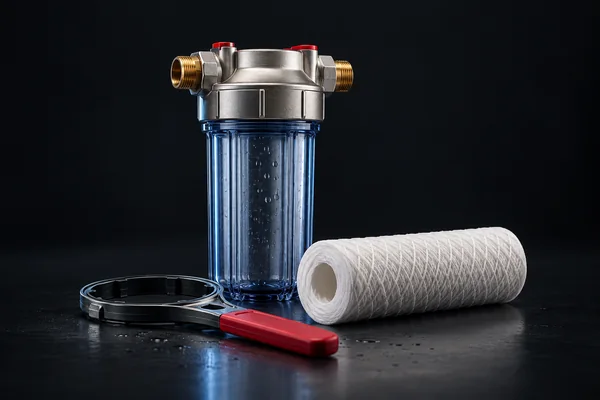
Replacing a cartridge requires identifying the filter and compatible replacement. Maintenance also reviews seals, housing and flow conditions.
View service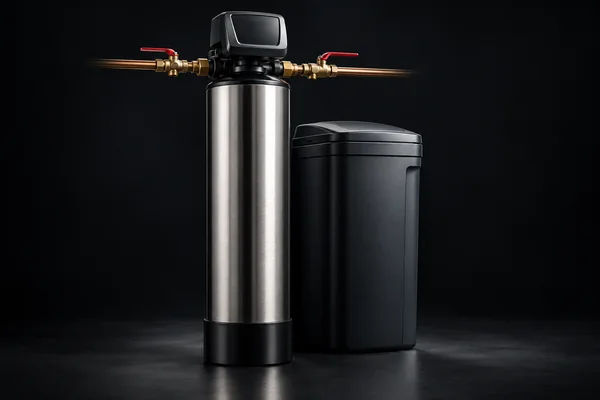
A softener is considered based on water hardness and system demand. Connections, space and maintenance needs are reviewed to define service.
View service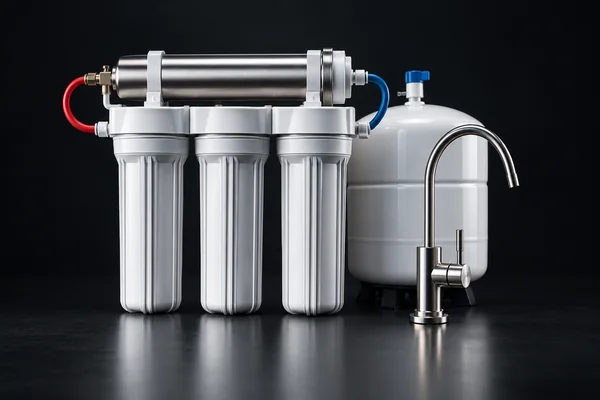
A reverse osmosis system needs suitable connections, drainage and service space. Installation or maintenance is adapted to the model and intended use.
View service
Bathroom remodeling plumbing is planned around the new layout and chosen fixtures. Defining points and routes before walls close avoids improvised changes.
View service
In a remodeled kitchen, the sink and appliances must align with cabinets and countertops. Assessment defines water and drain points for the final layout.
View service
New construction plumbing follows design and construction coordination. The proposal defines phases, systems and checks included.
View service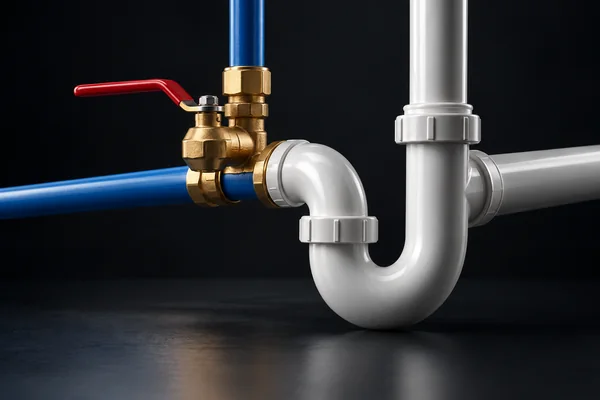
Relocating a water or drain point requires reviewing the full route and retained connections. Assessment identifies feasible changes for the new layout.
View service
A preventive plan organizes reviews around the property's systems and use. The proposal should define frequency, inspection points and how findings are documented.
View service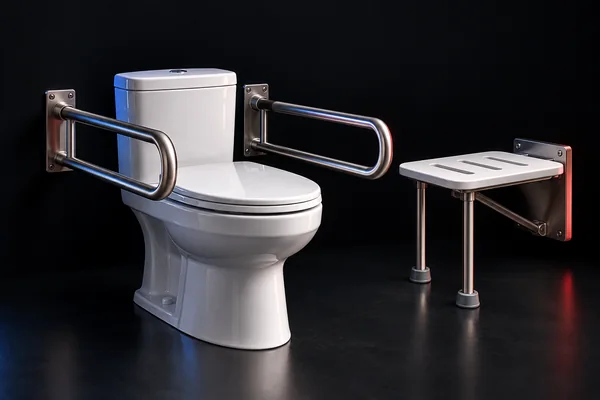
Adapting bathroom fixtures requires understanding user needs and available space. Plumbing is coordinated with fixture selection and project layout.
View service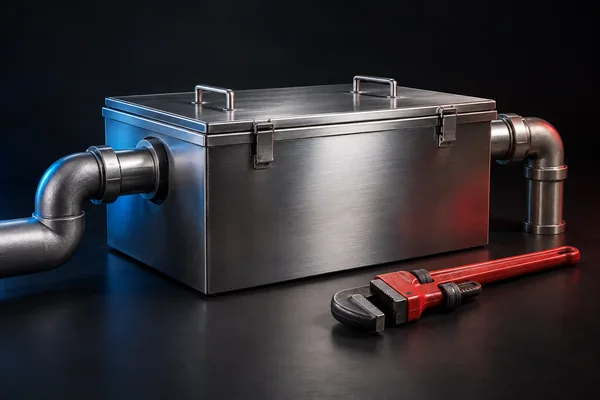
A grease trap needs placement and connections suited to kitchen operations and the applicable design. Maintenance access and installation or repair scope are assessed.
View service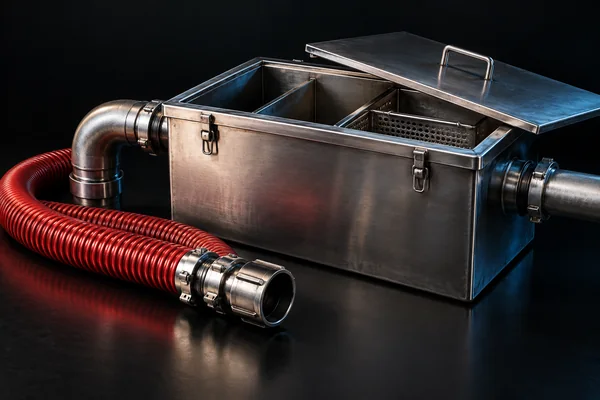
Grease trap cleaning requires coordinating access, operational interruption and removed-material handling. Scope must distinguish cleaning from equipment repair.
View service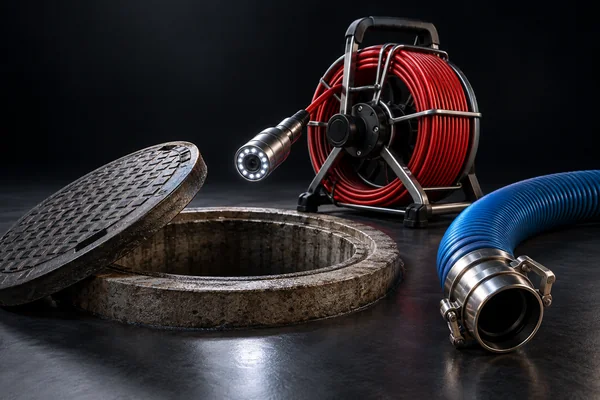
Septic system assessment considers accessible components, symptoms and maintenance history. It helps determine whether further inspection, maintenance or repair is appropriate.
View service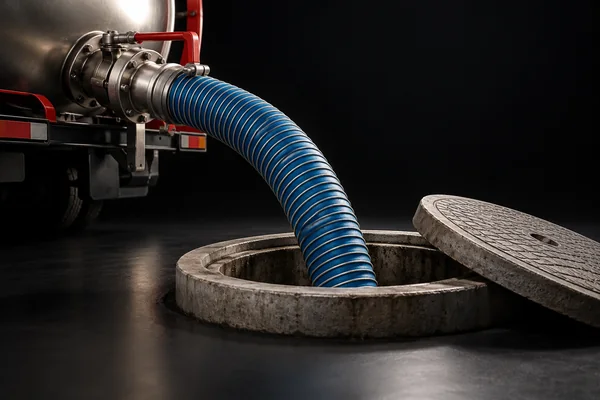
Septic tank pumping requires understanding access, approximate capacity and extraction equipment conditions. Handling of removed contents is coordinated beforehand.
View service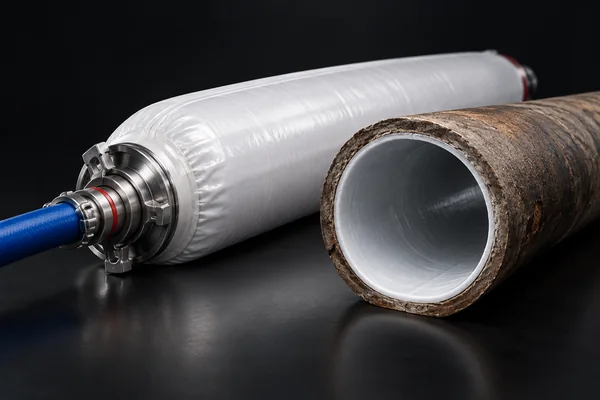
Trenchless rehabilitation is considered when pipe conditions allow an internal solution. It requires inspection and specific assessment before selecting a method.
View service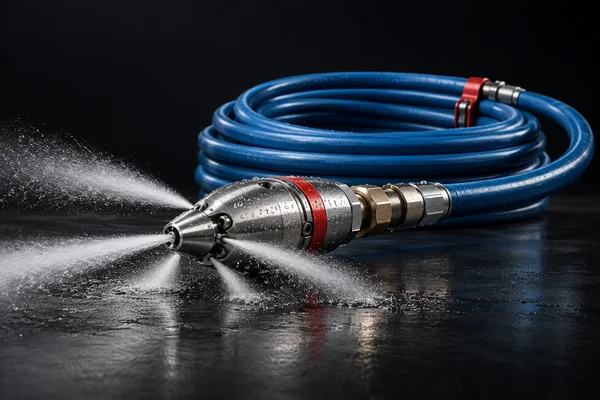
Jet-vac cleaning combines cleaning and extraction for defined applications. The system, truck access and removed-material handling are reviewed.
View service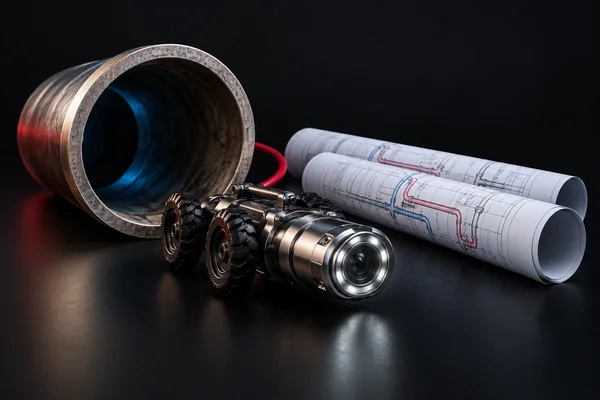
A pipe survey aims to document identifiable routes and components for maintenance or planning. Accuracy, format and document limits are agreed.
View service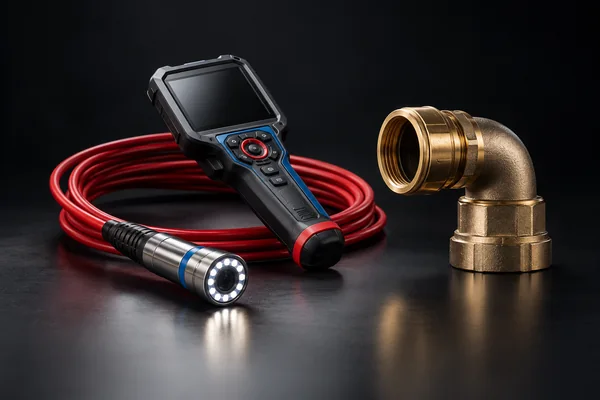
A plumbing technical report requires defining the question to answer and available evidence. The visit, document review and deliverable are agreed before contracting.
View serviceTry another word or clear the filters. You can also call to explain what you need.
Call ↗A clear scope
From a leak to a new installation, every job starts with understanding the situation. If you are unsure which service to choose, describe the issue when arranging your visit.
Coverage, availability and capacity for specialist work are confirmed when arranging the visit. Each page explains its scope to help you prepare your inquiry.
From inquiry to work
Share your location, the symptom or the work you need. Photos of visible conditions and equipment details help prepare the visit.
Access and conditions are reviewed to agree on assessment, materials and next steps. Coverage and availability are confirmed when arranging the visit.
Work is scheduled according to the agreed scope. Findings and applicable checks are explained before closing out the work.
Clear answers
Information to arrange service catalog in Puerto Rico.
Browse the categories or describe the issue in the search box. Open a service page to review its scope and prepare your inquiry. If you are unsure which one to choose, explain what is happening when you call or schedule.
A category groups related work, such as drains and clogs or cisterns and pumps. Each service has its own page with information about the assessment, next steps and frequently asked questions.
Share your address in Puerto Rico and the work you need. Guz will confirm coverage, availability and scope for that location before arranging the work.
Commercial or specialist work requires confirmation of site conditions, access, equipment and scope. Finding a page in the catalog does not confirm immediate availability; explain your needs when arranging the work.
The catalog explains services and their scope. Pricing depends on the assessment, access, materials and required work. The visit, parts and work should be described in the quote; a free visit is not assumed.
Use “Schedule a home visit” to open Guz’s calendar or “Call” to discuss your request. Have your location, photos of visible conditions and equipment details ready, if applicable.
Locations
Explore the directory and confirm coverage for your address when arranging the visit. Each service’s availability depends on location and requested scope.
Tell us what you need and we’ll coordinate an assessment of your space.